Understanding the Appeal of Custom Mechanical Keyboards
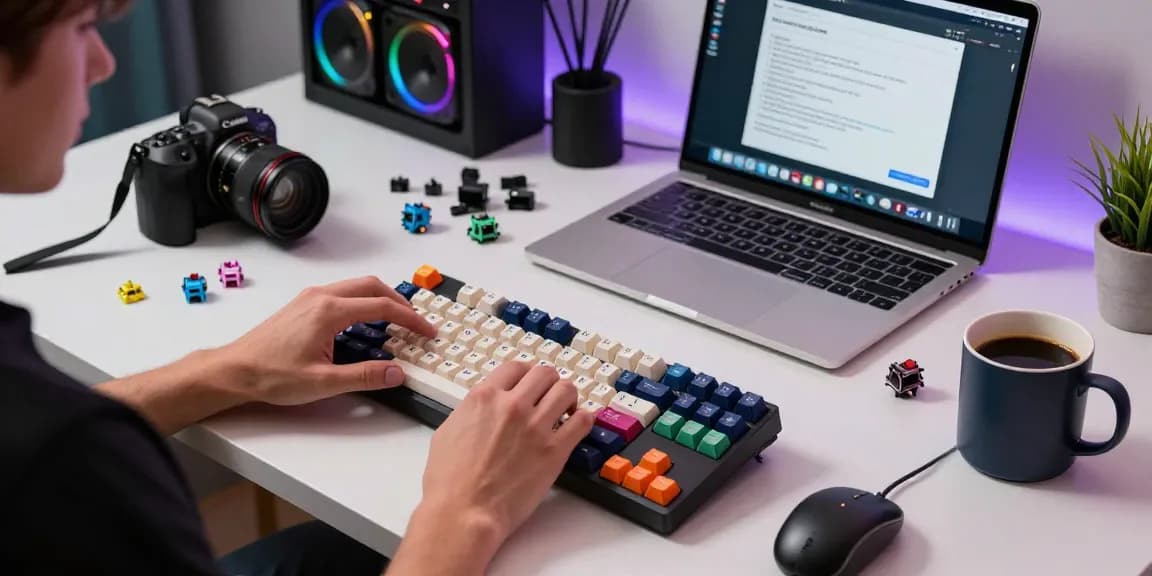
In recent years, custom mechanical keyboards have surged in popularity among tech enthusiasts and gamers alike. These keyboards offer a perfect blend of performance, personalization, and aesthetic appeal that traditional keyboards simply cannot match. From the tactile feedback of various switch types to the ability to select custom keycap designs, the allure of building your own keyboard experience is irresistible for many. For those considering diving into this fascinating world, resources like Geek keyboard provide comprehensive insights into components and assembly techniques that enhance both functionality and style.
What Makes Geek Keyboard Unique?
Geek keyboard stands out in the crowded market of mechanical keyboards due to its commitment to quality and customization. Unlike mass-produced options, Geek keyboard allows users to hand-pick every component of their setup—from switches to keycaps—ensuring that each keyboard is uniquely tailored to individual preferences. The brand emphasizes a community-driven approach, encouraging users to share their builds and modifications, which fosters a sense of belonging among enthusiasts.
Popular Brands and Choices Among Enthusiasts
Several brands have carved their niches in the custom keyboard market, each offering distinct features that cater to specific needs. Notable mentions include:
- Gateron: Known for its smooth linear switches and vibrant color options.
- Cherry: Renowned for their tactile feedback and longevity, Cherry switches dominate in competitive gaming scenarios.
- Kalih: Offering budget-friendly switches without compromising on performance, Kalih is popular among newcomers.
- AULA: Focusing on both gaming and aesthetic designs, AULA provides unique keyboards with customizable RGB lighting.
Building Your Own Geek Keyboard: A Step-by-Step Guide
Embarking on the journey to build your own Geek keyboard can be both exciting and daunting. However, with a structured approach, you can easily navigate the process and create a keyboard that suits your style and typing experience.
Choosing the Right Components: Switches, Keycaps, and PCBs
The first step in building your custom keyboard is selecting the right components. Switches are crucial as they determine the feel and sound of your keyboard. Common choices include:
- Linear switches: Smooth keystrokes without tactile feedback, ideal for gaming.
- Tactile switches: Offers a noticeable bump when pressed, suitable for typing.
- Clicky switches: Provides auditory feedback, which some users find satisfying.
Next, consider the keycap material—PBT keycaps are known for their durability, while ABS keycaps offer a range of colors and designs. Finally, your choice of PCB (Printed Circuit Board) will influence the layout and features of your keyboard.
Tools and Materials Needed for Assembly
To assemble your keyboard, you’ll need the right tools. Essential items include:
- Soldering iron and solder (if you are using a non-hot-swappable PCB)
- Keycap puller for easy assembly and disassembly
- Wire cutters for trimming excess leads
- ESD-safe mat to protect components while working
A Guide to DIY Soldering Techniques
For those who are new to soldering, it may be beneficial to practice before assembling your keyboard. Start by securing your switches into the PCB, then heat your soldering iron and touch it to the joint between the switch lead and the PCB pad before introducing solder. Proper soldering ensures a reliable connection and longevity for your keyboard.
Enhancing Performance with Customization Options
Once you’ve assembled your keyboard, various customization options can enhance its performance and aesthetic appeal.
Understanding Switch Types: Linear vs. Tactile
Choosing between linear and tactile switches can hugely impact your typing experience. Linear switches offer a consistent resistance across the stroke, making them preferred for games requiring rapid key presses. In contrast, tactile switches provide feedback that can help improve typing accuracy, making them appealing for writers and programmers.
How to Program Your Geek Keyboard for Gaming and Typing
Many custom mechanical keyboards come with programmable features. Using software like QMK or VIA, you can remap keys, create macros, and adjust RGB lighting to create profiles tailored for different uses—whether it’s gaming, coding, or general use.
Exploring Keycap Sets for a Personal Touch
Keycap sets are not just about color; they can also vary in shape and profile. Options range from SA and DSA profiles for those who prefer a vintage look, to modern sculpted profiles such as Cherry or OEM for a contemporary feel. Mixing and matching keycap sets can create a truly unique keyboard that reflects your personality.
Maintenance and Care for Your Custom Build
To ensure the longevity and aesthetic of your custom keyboard, regular maintenance is essential.
Cleaning Techniques for Your Geek Keyboard
Cleaning a mechanical keyboard involves removing dust and debris that may accumulate over time. Use a keycap puller to carefully remove keycaps, and clean the switch tops with compressed air. For deeper cleaning, soap and warm water can be used on keycaps but avoid getting moisture inside the switches.
Common Issues and Troubleshooting Tips
If you encounter any issues, such as unresponsive keys, check the connections and solder joints. For hot-swappable keyboards, ensure switches are properly seated in the PCB. In most cases, simply reseating the keycap or the switch can resolve minor issues.
When to Consider Upgrading Components
As technology evolves, upgrading components like switches or keycaps can breathe new life into your keyboard. If you find the typing experience not meeting your expectations or you desire a different tactile feedback, consider swapping out switches or keycaps to refine your setup.
Future Trends in Custom Mechanical Keyboards for 2026
As we look ahead to 2026, the world of mechanical keyboards is poised for exciting developments shaped by user feedback and technological advancements.
Emerging Technologies in Keyboard Customization
The rise of smart keyboards featuring integrated displays and haptic feedback is expected to redefine how users interact with their devices. These innovations could pave the way for fully customizable layouts that adapt in real-time to user preferences.
Predicted Popular Features Among Keyboard Enthusiasts
Enthusiasts are likely to gravitate toward wireless options that combine functionality with aesthetics. Advanced features such as Bluetooth connectivity and customizable RGB lighting will continue to dominate, enhancing both gamer and typist experiences.
The Impact of Gaming Culture on Keyboard Development
The gaming culture will significantly influence keyboard designs, promoting faster actuation switches, ergonomic shapes, and multi-functional keys that cater to competitive gaming demands. The convergence between gaming and professional use is expected to surge, incorporating features appealing to both demographics.
What are the benefits of using a Geek keyboard?
Using a Geek keyboard allows for unparalleled customization, improving both typing quality and comfort tailored to personal preferences.
How do I choose the right switches for my custom keyboard?
Consider your typing style: if you prefer smooth keystrokes for gaming, go for linear switches; for typing, tactile or clicky switches may be more appropriate.
Can I upgrade my existing keyboard with custom parts?
Yes! Many keyboards can be upgraded with new switches, keycaps, and even PCBs to enhance functionality and aesthetics.
What are the latest trends in mechanical keyboards?
Current trends include wireless technology, RGB lighting, and smart features that allow for enhanced personalization and productivity.
How do I maintain my custom mechanical keyboard?
Regular cleaning and occasional keycap replacement will keep your keyboard in top condition. Ensure to check the solder joints if any keys become unresponsive.