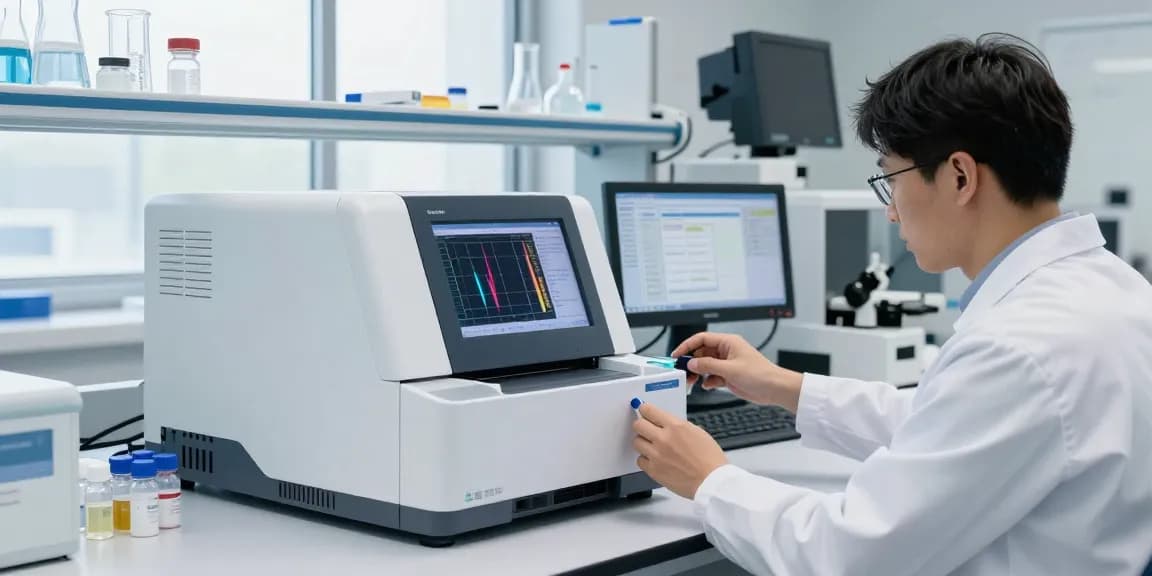
Understanding Aegean Labs Peptide Testing
Aegean Labs Peptide testing is a vital process that ensures the quality and purity of peptide compounds, which are increasingly utilized in pharmaceuticals, biotechnology, and research. With advances in technology and stringent regulatory standards, the ability to accurately assess the characteristics of peptides has never been more crucial. When exploring options, Aegean Labs Peptide testing provides comprehensive insights into peptide analysis, focusing on purity, identity, and overall quality through state-of-the-art techniques.
What is Aegean Labs Peptide Testing?
Aegean Labs specializes in peptide testing methods that comply with global testing standards, particularly the ISO 17025 quality assurance system. This means that every analysis performed adheres to rigorous measures designed to guarantee the reliability and accuracy of results. Peptide testing encompasses various analytical techniques, including High-Performance Liquid Chromatography (HPLC), Mass Spectrometry (MS), and Endotoxin testing, each contributing uniquely to the assessment of peptide quality.
The Importance of Purity in Peptide Analysis
Ensuring peptide purity is fundamental in applications ranging from drug development to clinical usage. Impurities can significantly affect the efficacy and safety of peptides. Therefore, the ability to measure and guarantee high levels of purity is a critical factor in the manufacturing process. Detection of contaminants, degradation products, or incorrect sequences can prevent potentially harmful outcomes in therapeutic applications. Aegean Labs focuses on validating peptide purity to meet pharmaceutical-grade requirements, enhancing confidence in the results provided to clients.
Key Techniques Used in Peptide Testing
The landscape of peptide testing is continually evolving, with advanced techniques being developed to ensure accuracy and reliability. Key methods utilized by Aegean Labs include:
- High-Performance Liquid Chromatography (HPLC): A cornerstone technique for separating, identifying, and quantifying peptides based on their differing affinities to a stationary phase.
- Mass Spectrometry (MS): An essential approach for molecular identification, helping to confirm the identity of peptides through precise measurements of their mass-to-charge ratios.
- Endotoxin Testing: This is vital for ensuring the safety of pharmaceutical-grade peptides, measuring the presence of endotoxins that can cause adverse reactions.
High-Performance Liquid Chromatography (HPLC)
How HPLC Works in Peptide Testing
High-Performance Liquid Chromatography (HPLC) operates by passing a solvent containing the peptide sample through a column filled with solid stationary phase material. As the sample interacts with the stationary phase, different components are separated based on their affinities. The output is a chromatogram, which provides a visual representation of how the peptides behave under specific conditions.
Benefits of Using HPLC for Analytical Precision
HPLC is renowned for its high resolution, sensitivity, and reproducibility in peptide analysis. This technique allows for the detection of very low concentrations of peptides, making it indispensable for purity testing. The ability to fine-tune various parameters such as solvent composition and flow rate contributes to its versatility, making it suitable for different peptide types and analytical requirements.
Interpreting HPLC Results
Interpreting the results from HPLC involves analyzing the chromatograms produced during the analysis. Peaks on the chromatogram represent different components, with their area correlating to the concentration of each peptide in the sample. Understanding retention times and peak shapes is crucial in determining purity levels and identifying potential impurities.
Endotoxin and Mass Spectrometry Testing
Importance of Endotoxin Testing in Pharmaceuticals
Endotoxin testing is critical in assessing the safety of peptide products intended for human use. Endotoxins, which can be found in the outer membrane of Gram-negative bacteria, can elicit strong immune responses. Therefore, having a method like the Limulus Amebocyte Lysate (LAL) assay, which can detect endotoxin levels as low as 0.005 EU/mL, is essential for compliance with pharmaceutical standards.
Mass Spectrometry for Molecular Identification
Mass spectrometry plays a pivotal role in the identification and characterization of peptides. This technique provides information on the molecular weight and structure of peptides, helping to confirm their identity. Aegean Labs utilizes LC-MS/MS, a combination of liquid chromatography and tandem mass spectrometry, to achieve high-resolution results that offer precise molecular identification of samples.
Combining Techniques for Comprehensive Analysis
Combining HPLC with mass spectrometry offers a robust framework for peptide analysis, allowing for the simultaneous assessment of purity and identity. The integration of these techniques helps provide a more comprehensive view of the peptide's characteristics, ensuring that both its structural integrity and purity levels meet the required standards.
Reporting Standards and Transparency
Understanding Aegean Labs Reporting Format
Aegean Labs is committed to transparency in its reporting. Each report includes detailed results that outline how testing was conducted, along with the methodologies used. This level of detail ensures that clients can understand the testing process and trust the results. Reports also include HPLC chromatograms, which illustrate separation profiles used to assess purity, as well as mass spectrometry identity data to verify the target compound.
Analyst Accountability and Sample Traceability
Accountability is crucial in laboratory settings. Aegean Labs ensures that each report provides information about the analyst who conducted the testing, facilitating traceability. Each sample is linked back to its batch, offering clear documentation and accountability throughout the analytical process.
Verification Process for Ensuring Authenticity
To further assure the authenticity of results, Aegean Labs incorporates a unique verification ID for every report issued. This allows clients to verify the legitimacy of their results through an instant verification system, establishing a trust relationship between Aegean Labs and its clientele.
Future Trends in Peptide Testing
Emerging Technologies for Enhanced Accuracy
As technology continues to evolve, new methodologies and advancements are being integrated into peptide testing. Techniques such as advanced chromatographic methods, enhanced mass spectrometry techniques, and artificial intelligence-driven analytics are set to revolutionize how peptide analysis is performed, making processes faster and more accurate.
Predictions for Peptide Testing in 2026
By 2026, the peptide testing industry is likely to see increased automation in laboratories, allowing for higher throughput and more efficient workflows. Additionally, regulatory frameworks may become even more stringent, emphasizing the need for precision and compliance in peptide testing. This will push the boundaries of what is currently achievable in terms of analytical capabilities.
Best Practices for Research Teams and Clinics
For research teams and clinics, the adoption of best practices in peptide testing is crucial for ensuring quality outcomes. This includes selecting reputable laboratories for analysis, like Aegean Labs, that adhere to rigorous testing standards, conducting regular quality audits, and maintaining clear documentation throughout the research process. Utilizing advanced analytical methods and staying updated on emerging trends will also enhance research outcomes and therapeutic efficacy.